Le cercle du Jeu de Paume
The Cercle du Jeu de Paume offers introductory courses, lessons, matches and tournaments.
Château de Fontainebleau
Château de Fontainebleau
77300 Fontainebleau
Château de Fontainebleau
77300 Fontainebleau
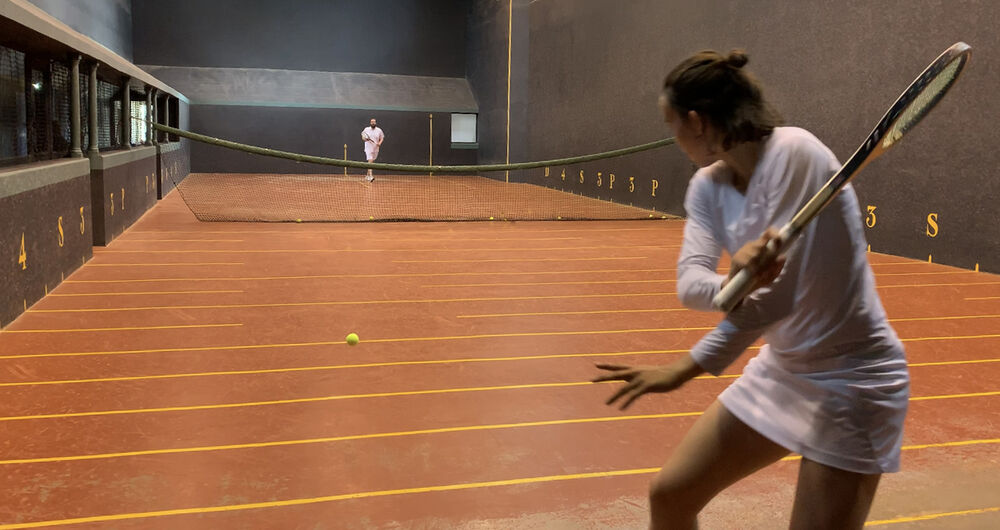
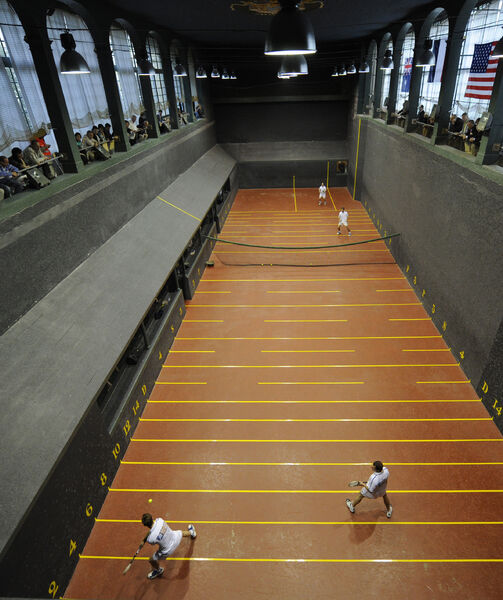
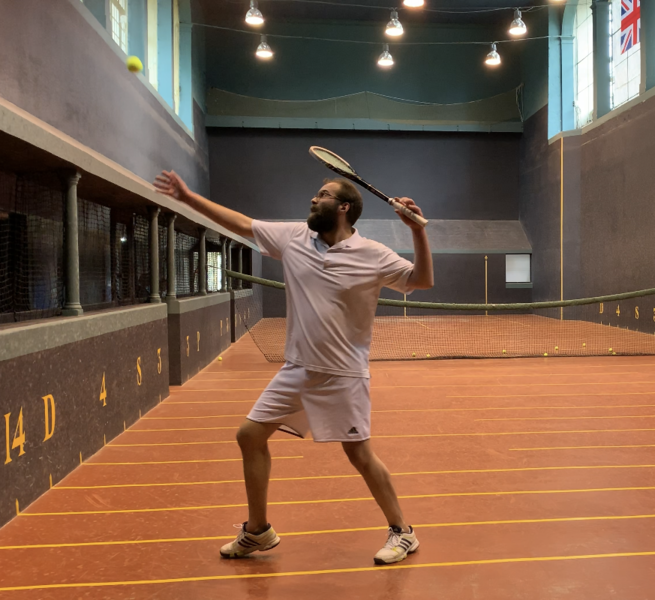
Like tennis, from which it originated, courte paume is played in doubles or singles on either side of a net. The ball can bounce off the walls, making for spectacular exchanges. It's a sport that requires strength, speed, finesse, precision and skill, but its main characteristic lies in its rules, first defined in 1592 and almost unchanged ever since, which leave plenty of room for strategy.
Short paume first appeared in its present form in France, between the end of the 14th and the beginning of the 15th centuries, but reached its golden age during the Renaissance, when it was also played with a certain fervor in the rest of Europe.
By the end of the 16th century, Paris had 250 halls, and cities such as Orléans, Rouen, Angers, Lyon and Bordeaux, for example, boasted several dozen, proving the public's enthusiasm for the sport.
Under the Ancien Régime, courte paume was played by the royal family and nobility, but also - contrary to popular belief - by the bourgeoisie, tradesmen, soldiers, students, clergymen and others. Anyone who could afford to rent the equipment and the hall was allowed to play.
The cultural imprint of courte paume has also left its mark on the French language with numerous expressions, such as "rester sur le carreau", "épater la galerie", "tomber à pic", and "qui va à la chasse perd sa place", to name but a few.
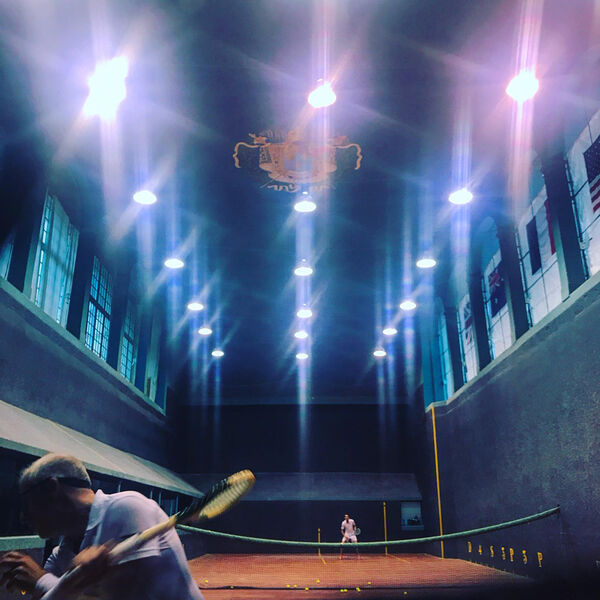
The hall at the Château de Fontainebleau, built in 1601 and renovated in 1732 after a fire, is one of the last historic halls in the world where this once-popular sport can be played.
The Cercle du Jeu de Paume regularly organizes national and international tournaments here, enabling enthusiasts to play all year round.
Guillaume Dortu, the Cercle's maître paumier, also welcomes you by appointment for individual or group initiations.
Short paume first appeared in its present form in France, between the end of the 14th and the beginning of the 15th centuries, but reached its golden age during the Renaissance, when it was also played with a certain fervor in the rest of Europe.
By the end of the 16th century, Paris had 250 halls, and cities such as Orléans, Rouen, Angers, Lyon and Bordeaux, for example, boasted several dozen, proving the public's enthusiasm for the sport.
Under the Ancien Régime, courte paume was played by the royal family and nobility, but also - contrary to popular belief - by the bourgeoisie, tradesmen, soldiers, students, clergymen and others. Anyone who could afford to rent the equipment and the hall was allowed to play.
The cultural imprint of courte paume has also left its mark on the French language with numerous expressions, such as "rester sur le carreau", "épater la galerie", "tomber à pic", and "qui va à la chasse perd sa place", to name but a few.
The hall at the Château de Fontainebleau, built in 1601 and renovated in 1732 after a fire, is one of the last historic halls in the world where this once-popular sport can be played.
The Cercle du Jeu de Paume regularly organizes national and international tournaments here, enabling enthusiasts to play all year round.
Guillaume Dortu, the Cercle's maître paumier, also welcomes you by appointment for individual or group initiations.
Prestations, conforts et services
- Langues parlées :
- French
Périodes d'ouverture
All year round daily.